Crawl Space Mold Removal in Downtown, TX
Mold removed from framing and damaged insulation beneath your Downtown home. Call 24/7 to start your crawl space assessment and cleanup.
- Joists and subfloor checked
- Containment and HEPA filtration
- Moisture correction planned
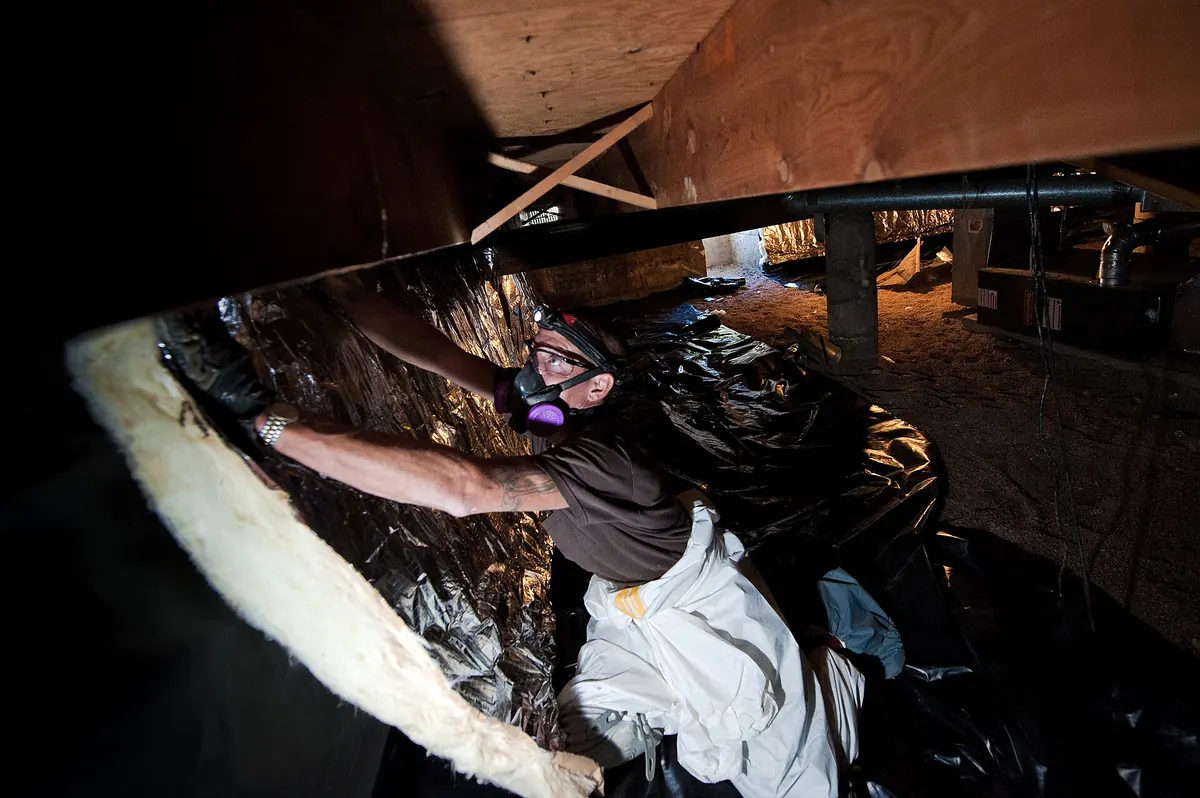
Crawl Space Mold Removal Services in Downtown
Growth is removed from your floor joists, reachable subfloor and other affected materials under the house. Before that cleaning begins, insulation and concealed moisture are checked.
Containment accompanies removal during your crawl space mold cleanup, followed by cleaning and drying. A protected exit route is used for bagged, ruined insulation; sound wood stays whenever possible.
Plumbing leaks and foundation vents are checked before cleaning, as are your crawl space's drainage and vapor barrier. The scope of work records cleanup and distinct moisture repairs in writing.
- Floor joist and subfloor cleaning
- Affected crawl space insulation removal
- Leak and ground moisture assessment
- Contained crawl space access
- Wood drying and final checks

When You Need Crawl Space Mold Removal
Growth, damp insulation or a musty smell beneath your floors call for assessment.
Mold on Floor Joists
Your joists or subfloor may have visible mold growth extending past the hatch.
Musty Crawl Space Odor
Recurring odor near the hatch can accompany hidden growth or wet materials.
Dampness Around the Moisture Barrier
Moisture correction is needed for water atop a damaged barrier or uncovered damp soil.
Hanging Crawl Space Insulation
Fallen insulation and nearby water stains can reveal moisture beneath your floors.
Standing Water Across Your Dirt Floor
Materials can stay damp from water pooling near plumbing or following rain.
What Happens During Crawl Space Mold Treatment
Assessment starts your cleanup; contained removal, then cleaning, drying and verification follow.
Call and Crawl Space Assessment
First, your call covers damage and entry access. A thermal imaging camera detects temperature differences, not mold; a moisture meter charts damp areas.
Moisture Source and Scope
Assessment covers ground moisture, crawl space vents and your plumbing. Leak repair, crawl space ventilation changes and any drainage or sump pump work are defined before removal.
Crawl Space Containment
At entrances to occupied rooms, a containment barrier is made from poly sheeting. During work, a HEPA air scrubber, protective equipment and negative air pressure help restrict particle spread.
Damaged Insulation Removal
Other damaged porous materials and insulation beyond recovery are placed in bags inside containment. Affected subfloor is exposed through controlled tear out, keeping loose debris from being dragged through your home.
Joist and Subfloor Cleaning
Sound wood loses growth and residue through suitable surface cleaning and use of a HEPA vacuum. Physical cleaning remains necessary; antimicrobial treatment is an additional step when appropriate.
Controlled Crawl Space Drying
A crawl space dehumidifier supports the drying that follows cleaning, alongside air movers. Replacement of materials follows correction of the water source, with moisture readings tracking the wood during that work.
Post-Remediation Check
Cleaning, drying and agreed post-remediation verification are completed before containment comes down. When clearance testing is included, an independent assessor performs it before the work area is reopened.
Reasons to Choose San Antonio Mold Cleanup for Crawl Space Mold Removal
Removal Through Final Checks
After removing damaged insulation, wood is cleaned, then dried, with verification completed ahead of containment removal.
Clear Scope and Contained Access
Your scope explanation comes first and includes containment plus HEPA filtration tailored to the affected space.
Crawl Space Moisture First
Your plumbing leaks, condensation and ground moisture are traced during assessment ahead of cleaning.
Calls Answered 24/7
One number starts your cleanup across the metro, including nights and weekends.
Preparing for Crawl Space Cleanup in Bexar County
You can schedule an assessment by calling. Do not disturb affected materials.
- Stay outside unsafe areas. Do not go into standing water or areas containing unstable framing or exposed wiring.
- Leave growth undisturbed. You can release mold spores and dust by sanding, scraping or brushing.
- Keep affected HVAC equipment off. EPA warns that running contaminated HVAC equipment can spread mold.
- Restrict crawl space access. Keep the hatch and work area off limits to your children and pets.
- Act on recent water damage. EPA advises drying water-damaged areas and items within 24 to 48 hours to prevent mold growth.
Understanding Crawl Space Mold Removal Cost in Downtown, TX
These published national ranges distinguish standalone removal from removal added to encapsulation. An installed dehumidifier is a separate item. Your price depends on access, affected square footage and material condition.
Crawl space mold removal
$500 to $2,000 per jobSource: Fixr, Mold Remediation Cost (checked 2026-10-23)Adding Mold Removal to Your Crawl Space Encapsulation Project
$500 to $4,000 per jobSource: This Old House, Crawl Space Encapsulation Cost (checked 2026-10-23)Dehumidifier, installed
$800 to $2,000 per installSource: This Old House, Crawl Space Encapsulation Cost (checked 2026-10-23)Factors Affecting Your Crawl Space Cleanup Cost
- Wet soil or standing water
- Barrier and insulation condition
- Affected square footage and access
- Separate repairs or encapsulation
- Mold on joists and subfloor
Your Price for Cleaning the Crawl Space
These published national ranges are planning figures. Your on-site assessment defines the work and price before cleanup starts, including any separate source repairs or rebuilding.
Call (844) 352-3560 about costCrawl Space Mold Removal Service Area Across Greater San Antonio
Call (844) 352-3560 to arrange cleanup in Downtown or nearby communities. One number covers the metro.
Crawl Space Mold Removal in Locations Near Downtown
ZIP codes
Answers to Crawl Space Mold Removal Questions in Downtown
During work under your house, can you remain at home?
You might remain at home when the work area and debris route stay separated from occupied rooms. Hatch placement, shared ventilation and household needs determine restrictions. Some jobs require temporary relocation. Before containment is installed, your assessment sets entry arrangements, including any interruptions affecting heating or cooling equipment.
Do floor joists and insulation have to come out?
Cleaning and drying can often happen in place for subfloor and joists that remain sound. Moldy insulation that cannot be saved leaves in bags. Assess soft or deteriorating framing for repairs because cleaning will not recover lost structural strength. Your scope specifies materials to keep, removal locations and any separate reconstruction before the job starts.
Is mold likely to return following cleanup of the space?
Persistent dampness in your crawl space can allow mold to return. The assessment traces leaks, ground moisture and condensation before cleanup begins. Cleaning and drying of wood include source corrections or identify those corrections as a separate job. You still need active water leak repairs with a moisture barrier or dehumidifier.
Will the scope also cover drainage repairs or encapsulation?
Moisture corrections are defined alongside cleaning, but drainage repairs and encapsulation are included only when listed in your scope. As part of that plan, a moisture barrier may cover the soil. Cleanup addresses wet materials and existing growth ahead of covering surfaces, with separate structural repairs or plumbing repairs treated as distinct work.
In Bexar County, what is the crawl space cleanup cost?
Assessment of access, material condition and the affected area comes before your price. The cost cards above show published national ranges with their sources and units. An installed dehumidifier, standalone removal and removal added during encapsulation are separate kinds of work. Your scope and price are explained before cleanup starts.
How long does crawl space cleaning take in Downtown?
Your schedule is set after the access route, affected wood and insulation are assessed. Low clearance and growth across several floor bays add work. Moisture readings guide drying, regardless of how surfaces look. The timing of new insulation also reflects plumbing repair, drainage correction and final verification.
Should testing take place before or after crawl space cleanup?
Under EPA guidance, visible mold often makes air sampling unnecessary. Accessible damage and the scope for cleanup are established through inspection and moisture checks. Containment stays in place until cleaning and drying have been checked. An independent assessor conducts any specified clearance testing. Federal rules set no limit on indoor mold levels.
Insurance and Your Crawl Space Cleanup in Texas
Your homeowners policy's deductible, exclusions and mold limits affect coverage, along with what caused the moisture. Decisions about drainage repairs, cleanup and rebuilding can differ from one another.
Crawl Space Mold Safety Considerations for Greater San Antonio
Your framing assessment uses containment to reduce particle spread.
Crawl Space Access Hazards
Standing water, wiring and low clearance affect safe entry and equipment placement.
Mold Color
Color alone tells you nothing about how risky a mold is, CDC says.
Sensitive Occupants
CDC notes that mold can trigger allergy and asthma symptoms in some people.
Crawl Space Wood Rot
Suspected structural damage calls for a building assessment because cleaning cannot repair decayed framing.
Cleanup scope: For areas under about 10 square feet, EPA says homeowner cleaning is often possible, though area size never eliminates access hazards. Larger areas, HVAC systems or mold from sewage or contaminated water call for professional help.
Crawl Space Material Cleanup and Removal in Bexar County
Sound framing is cleaned where possible; damaged porous materials may need removal.
Wood framing and subfloor
- Deteriorated framing requires assessment for repairs, while sound wood undergoes cleaning and drying.
Insulation and debris
- Unsalvageable insulation and affected stored materials are bagged and removed.
Non-porous surfaces
- Clean reachable metal and remove damaged barrier sections if the scope includes that removal.
Planning Your Crawl Space Cleanup Schedule in Bexar County
Your timing depends on removal volume and access, plus drying and repairs after cleanup.
- Access: More removal work is needed with low headroom and distant bays.
- Wood moisture: Moisture readings determine readiness for replacement insulation.
- Completion: Job completion depends on water-source repairs and the final verification.
Understanding Crawl Space Humidity and Odor in Downtown
Odor is investigated with material and moisture checks. Fragrance does not remove its source.
Use your moisture assessment to guide crawl space humidity control. EPA puts the ideal indoor relative humidity at 30 to 50 percent and recommends a level below 60 percent.
Crawl Space Work Requirements in Texas
Crawl Space Work Requirements
Texas licenses mold assessment consultants, mold assessment technicians and mold remediation contractors through the Texas Department of Licensing and Regulation (TDLR). Visible mold under 25 contiguous square feet can generally be cleaned by people without a license, and you can check any contractor in the TDLR license search.
Repair Permits
The structural, electrical or plumbing tasks in the job govern permit requirements.
Rental Crawl Spaces
Renters should report leaks and visible mold to the property owner in writing and keep a copy.
State Mold Information
Texas mold questions go to the Texas Department of Licensing and Regulation, which took over the state mold program from the Department of State Health Services on November 1, 2017. TDLR also publishes a Consumer Mold Information Sheet that state license holders give clients before work begins.
State guidance: TDLR Mold Assessors and Remediators FAQs; TDLR Mold Program Update (SB 1255), Sept 17, 2025; Texas DSHS page noting mold program transfer to TDLR
Related Services and Next Steps
Start Your Crawl Space Mold Removal in Downtown
Call 24/7 to arrange your assessment. Your cleanup starts with the affected surfaces, moisture source and access to your home.