Closet Mold Removal in Stone Oak, TX
Mold removed from walls, shelves and flooring in your Stone Oak closet, with stored belongings assessed separately. Call 24/7 to arrange your closet assessment and cleanup.
- Closet moisture source checked
- Contained removal and HEPA cleaning
- Clothes and shelves assessed separately
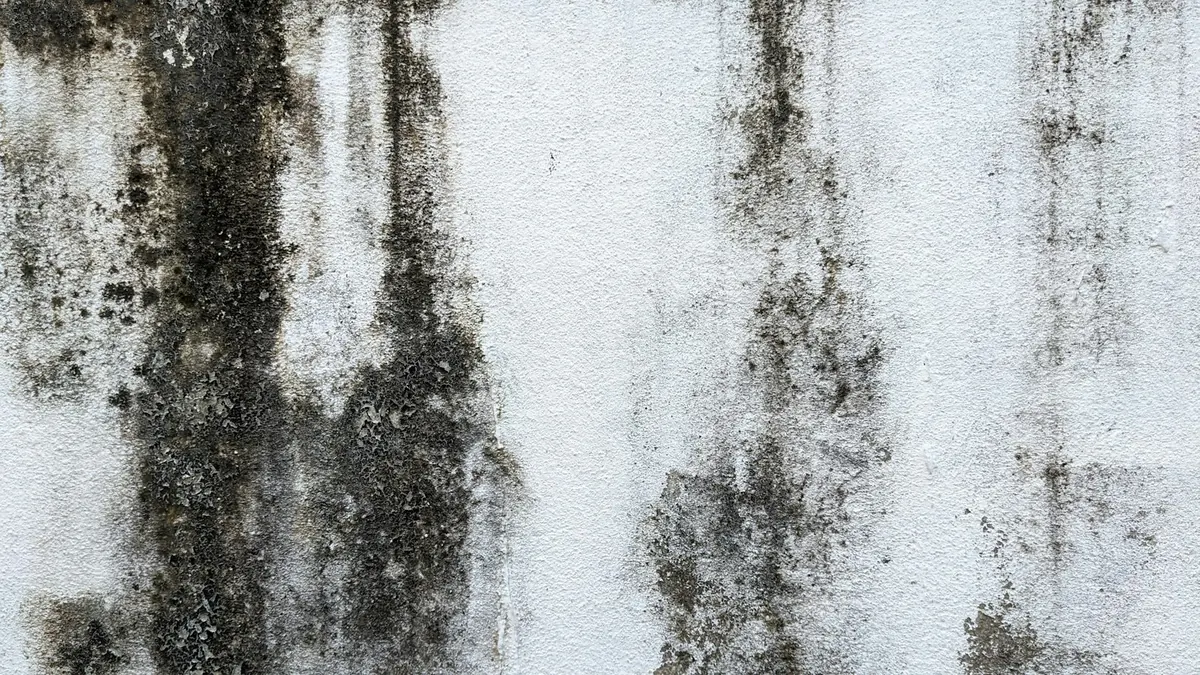
Closet Mold Removal Services for Your Stone Oak Home
Your closet cleanup covers affected walls, ceilings, shelving and flooring in bedroom, walk-in and linen closets. Stored belongings are assessed separately so cleaned surfaces are not restocked with affected items.
Cleaning and drying preserve sound shelving and wood in your closet. Swollen fiberboard, damaged carpet pad or drywall may have to come out. Hidden dampness at the baseboard may require opening built-ins to reach it.
Damp clothes are considered alongside condensation and leaks when checking possible sources. Your scope of work sets out cleaning and separate repair tasks in writing. Equipment assessment is also needed for a utility closet where HVAC contamination is suspected.
- Closet wall and ceiling cleaning
- Built-in shelving and floor assessment
- Assessment of your stored items, shoes and clothes
- Bagging debris during contained drywall removal
- Checking moisture, drying, then verifying results

Signs You Need Closet Mold Removal
Moisture may be hidden if you notice mustiness, returning spots or damp storage.
Mold on a Closet Wall
Peeling paint, visible mold growth or water stains show up at an exterior corner or behind clothes on hangers.
Musty Bedroom Closet
A persistent musty smell remains after clean laundry is removed, including near the floor or ceiling.
Growth Beneath Stored Boxes
Growth, damage or moisture shows on the carpet under cardboard boxes or on the boxes along your closet floor.
Damp Clothes and Shoes
Stored belongings feel damp or develop spots even though they went into storage dry.
Swollen Closet Shelves
Shelf edges soften or swell, and staining appears behind a built-in organizer.
What Closet Mold Removal Involves
Your closet cleanup moves from assessment through removal, drying and verification.
Closet Assessment
Walls, shelves, flooring and belongings are assessed. A thermal imaging camera may direct closer checks but cannot detect mold; a moisture meter maps damp areas.
Moisture Source and Scope
Your closet ventilation is checked alongside leaks and condensation. Your scope sets out surface cleaning, contents work and, if needed, leak repair as a separate task.
Closet Containment
A containment barrier uses poly sheeting. Where your scope warrants, particle spread is limited using a HEPA air scrubber, protective equipment and negative air pressure.
Damaged Material Removal
Within containment, shelving, drywall and carpet pad that cannot be saved go into bags. Your shoes and garments are separated to decide on cleaning while the removal path stays protected.
Closet Surface Cleaning
HEPA vacuum treatment accompanies suitable cleaning for sound wood, non-porous surfaces and rods. Physical cleaning remains necessary even when antimicrobial treatment is appropriate as a supplement.
Controlled Closet Drying
A dehumidifier and air movers support drying after removal and cleaning. Before replacement of materials, moisture readings monitor the remaining wood and wall cavities.
Post-Remediation Check
Before containment removal, cleaning and drying occur along with the agreed post-remediation verification. Necessary repairs precede the return of clean, dry belongings; an independent assessor carries out clearance testing if specified.
Closet Mold Removal: Why Choose San Antonio Mold Cleanup
Removal Through Final Checks
Sound surfaces are cleaned and then dried, damaged materials are taken out, and containment removal follows verification.
Clear Scope for Walls and Belongings
Before removal starts, your scope lists repairs, contents cleaning and closet surface work separately.
Contained Closet Work
For your closet and the removal path through neighboring rooms, containment is paired with suitable HEPA filtration.
Closet Moisture First
To address the source alongside visible growth, your cleanup assessment examines leaks, damp storage and condensation.
Calls Answered 24/7
One number starts your closet assessment across the metro, including nights and weekends.
Before Closet Cleanup in Bexar County
Leave affected materials undisturbed and call to arrange your assessment.
- Limit closet access. Keep children and pets away from visible growth.
- Leave shelving in place. Avoid tear out, sanding or dry-brushing moldy surfaces.
- Keep belongings contained. Avoid carrying loose boxes with mold through your rooms or shaking affected clothing.
- Avoid blowing air on growth. Keep fans from blowing into your closet, and leave HVAC equipment off if contamination is suspected.
- Address fresh water damage. EPA advises drying water-damaged areas and items within 24 to 48 hours to prevent mold growth.
Closet Mold Removal Cost in Stone Oak, TX
National remediation figures give you a comparison, not a price for closet cleanup. Affected square footage, stored items and access behind shelves determine your cost. Measuring only the closet floor does not capture the work involved.
Roughly 50 square feet affected by mold
$500 to $1,500 per jobSource: Fixr, Mold Remediation Cost (checked 2026-10-23)Professional pricing when areas exceed roughly 10 square feet
$10 to $30 per square footSource: Fixr, Mold Remediation Cost (checked 2026-10-23)Typical national range, average $3,500
$1,500 to $9,000 per jobSource: Fixr, Mold Remediation Cost (checked 2026-10-23)Why Your Closet Cleanup Cost Varies
- Built-in shelving removal
- Affected square footage and access
- Containment and drying equipment
- Moisture repairs and rebuilding
- Separate contents cleaning
Your Price for Cleaning Up Closet Mold
These published national ranges are planning figures. Your on-site assessment defines the work and price before cleanup starts, including any separate source repairs or rebuilding.
Call (844) 352-3560 about costCloset Mold Removal Service Area Across Greater San Antonio
Call (844) 352-3560 to arrange cleanup in Stone Oak or nearby communities. One number covers the metro.
ZIP codes
What People Ask About Closet Mold Removal in Stone Oak
Could your cleaned closet develop mold again?
Mold may recur where moisture persists. Before removal, your assessment investigates damp storage, condensation and leaks. Surfaces receive drying after cleaning, while required moisture fixes are specified alongside cleanup. Plumbing or ventilation repairs are included only when listed in your scope. Your closet must be ready before clean, dry belongings return.
Is staying home possible during bedroom closet cleanup?
Staying home may be possible when occupied rooms are kept apart from the debris route and work area. Bedroom access may be restricted for you throughout containment, removal and drying. Your closet's position, ventilation shared with other rooms and household needs shape access plans before work and determine whether relocation is necessary temporarily.
Do closet shelves and drywall have to come out?
Accessible wood, along with shelving in sound condition, can often undergo cleaning and drying. Swollen fiberboard, damaged carpet pad and moldy drywall may have to come out. When affected material lies behind built-ins, panels are opened as needed for access. Your scope separates removal from replacement shelves, paint and other finish repairs before work begins.
How much will your closet cleanup cost in Bexar County?
The affected shelving and walls, flooring and possessions found during assessment determine your price. The cost cards above show national mold remediation ranges with their sources and units. Contents cleaning, damage hidden from view and access behind fitted organizers may alter your total. Your scope and price are explained before work starts.
In Stone Oak, how long will cleaning your closet take?
Scheduling follows checks of your stored belongings, built-in fittings and surfaces. Accessible shelves need less cleaning work than the effort of opening walls and drying inside. Moisture readings inform how long drying takes. Contents cleaning and finish repairs, along with replacement shelves, can influence when you put everything back.
Is testing needed before or after closet cleanup?
For visible mold, EPA guidance often does not call for air sampling. Moisture checks and an inspection define your cleanup area. Once removal ends, cleaning and drying undergo checks before taking containment down. Specified clearance testing is the responsibility of an independent assessor. No federal limit sets allowable indoor mold levels.
Can you keep clothes and shoes affected by mold?
Cleaning can save some belongings, but material and condition must be assessed for each item. Care labels on fabric inform treatment choices, and leather and delicate items may warrant a cleaning specialist. Contents work gets its own description in your scope, separate from closet surfaces. Cleaned belongings are kept away from affected storage, and items that cannot be saved are separated.
Your Closet Mold Cleanup and Texas Insurance
Coverage under homeowners insurance varies with the source of dampness, deductible, policy conditions and limits on mold. Your building cleanup may be covered differently from damage to stored items.
Safety Around Closet Mold in Greater San Antonio Homes
Disturbing stored possessions, finishes and shelving can spread mold spores; containment limits that spread.
Mold Color
CDC says color does not tell you how risky a mold is.
Stored Belongings
Particles can spread when you move loose moldy cardboard and clothes.
Hidden Closet Damage
You need more assessment for possible growth behind built-ins; moisture readings indicate dampness without identifying mold.
Contaminated Water
Mold from sewage or other contaminated water calls for professional help under EPA guidance.
Cleanup scope: You can often clean an area under about 10 square feet yourself, EPA says. Larger areas, extensive water damage or HVAC involvement call for professional help.
Bexar County Closet Mold Cleanup: Materials to Clean or Remove
Material condition determines what stays; affected belongings receive separate assessment.
Non-porous surfaces
- Cleaning followed by drying covers wire shelving, sound plastic containers and metal rods.
Closet finishes and framing
- Sound wood may be cleaned; moldy drywall, carpet and swollen fiberboard may need removal.
Clothes and keepsakes
- Condition and fabric care labels determine cleaning; specialist assessment may be needed for papers, leather and delicate belongings.
Time Needed for Closet Mold Cleanup in Bexar County
Removal, contents cleaning, drying and post-remediation repairs shape your timeline.
- Built-in access: Shelving removal adds work when damaged material extends behind panels.
- Drying: Repair readiness for your wall cavities and framing is established through moisture readings.
- Returning belongings: Even once your closet is ready, specialist contents cleaning may still be underway.
Humidity and Odor in Your Greater San Antonio Closet
Checks trace your musty odor around shelf surfaces, flooring edges and hidden wet spots. Scented products cannot fix the cause.
EPA recommends indoor relative humidity below 60 percent, ideally 30 to 50 percent. A closet door vent or dehumidifier does not replace leak repair.
Closet Cleanup Requirements in Texas
Closet Work Requirements
Texas licenses mold assessment consultants, mold assessment technicians and mold remediation contractors through the Texas Department of Licensing and Regulation (TDLR). Visible mold under 25 contiguous square feet can generally be cleaned by people without a license, and you can check any contractor in the TDLR license search.
Building Repairs
Permit requirements depend on the building, plumbing or electrical work included.
Rental Closets
Renters should report leaks and visible mold to the property owner in writing and keep a copy.
State Mold Information
Texas mold questions go to the Texas Department of Licensing and Regulation, which took over the state mold program from the Department of State Health Services on November 1, 2017. TDLR also publishes a Consumer Mold Information Sheet that state license holders give clients before work begins.
State guidance: TDLR Mold Assessors and Remediators FAQs; TDLR Mold Program Update (SB 1255), Sept 17, 2025; Texas DSHS page noting mold program transfer to TDLR
Related Services and Next Steps
Start Your Closet Mold Removal in Stone Oak
Call 24/7 to arrange your assessment. Your cleanup starts with the affected surfaces, moisture source and access to your home.