HVAC and Air Duct Mold Removal in Walker Ranch, TX
Mold removed from affected vents, ductwork and AC components in your Walker Ranch property. Call 24/7 to start your assessment and plan cleanup before system restart.
- Moisture source checked first
- Contained cleanup and HEPA filtration
- Component-specific removal scope
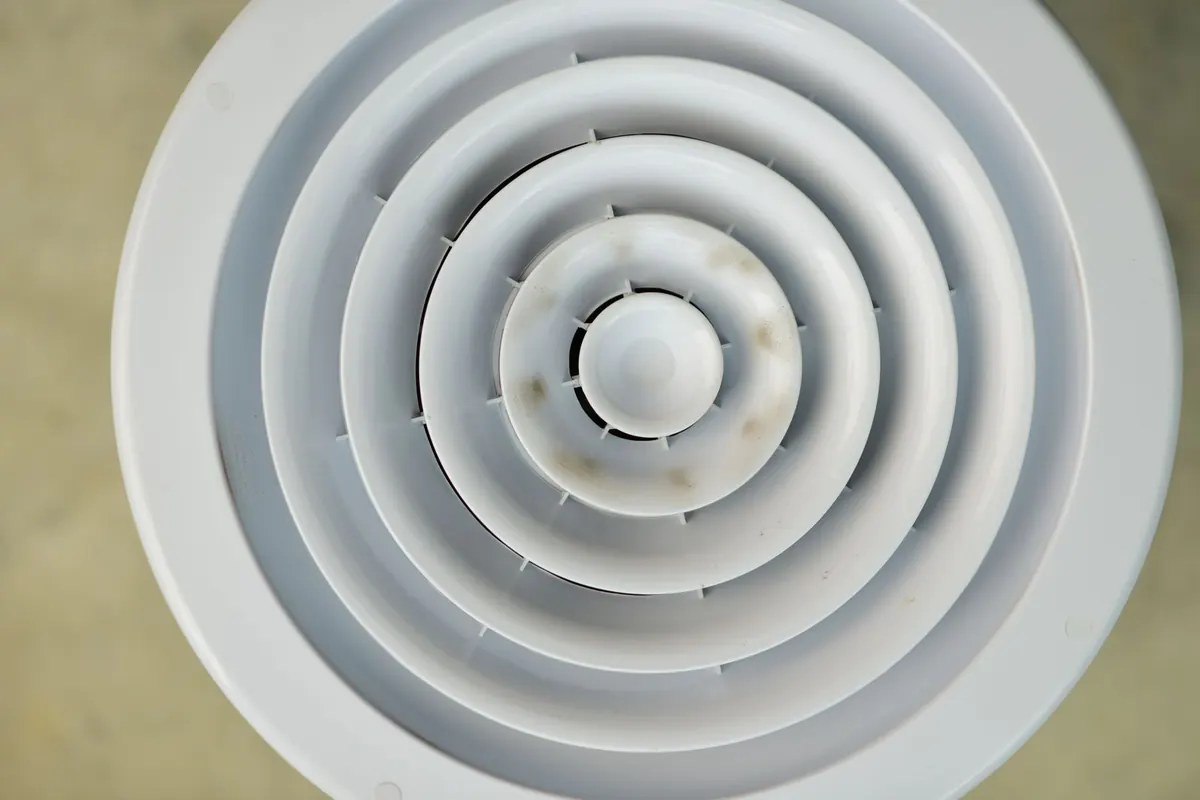
Your Walker Ranch HVAC and Air Duct Mold Removal Services
Your cleanup clears mold from registers and metal ducts that can be cleaned, plus reachable equipment surfaces. Moisture corrections are defined ahead of the work, and damp or moldy duct insulation is taken out.
Assessment covers the evaporator coil, drain pan, condensate line, blower and air handler, plus supply and return air paths. Dust or staining alone does not confirm growth.
Your written scope of work separates air duct cleaning and mold removal from mechanical repairs. Access openings and adjoining walls are assessed so cleanup reaches beyond the register.
- Supply and return register cleaning
- Cleaning Reachable Metal Ducts and Cabinets
- Affected duct insulation removal
- Condensate and hidden moisture assessment
- Contained debris removal and final checks
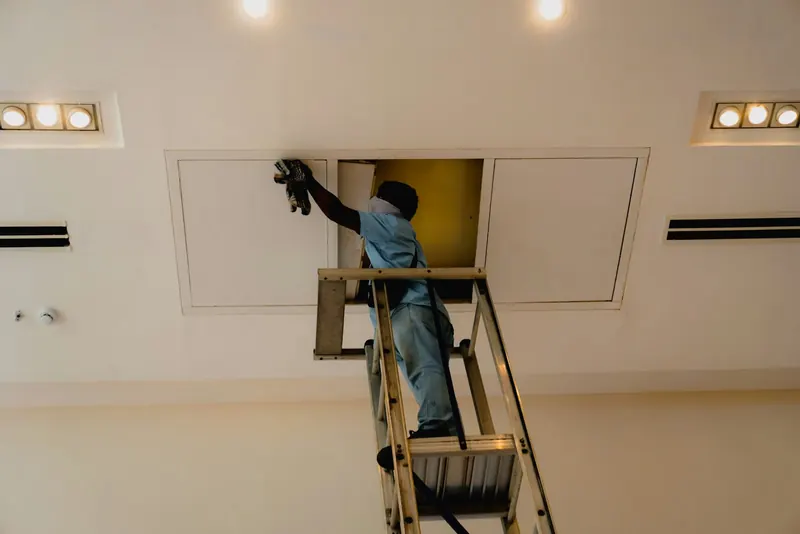
Bexar County HVAC Mold Cleanup Warning Signs
Have the area around your equipment assessed for mustiness, dampness or growth.
Musty Odor Near Supply Openings
A lasting smell may occur alongside concealed growth, but odor cannot establish that mold is present.
Your HVAC Closet and Surrounding Water Stains
Damp drywall and peeling paint can signal that water is escaping the equipment area.
Recurring Trouble With Mold in Vents
You may see spots return alongside moisture in material behind the opening or condensation.
Mold in AC Unit Components
You may notice standing water inside the pan or patches near your coil alongside moisture problems.
Mold in Air Ducts
Your view through a duct opening may reveal only part of the growth inside.
Your HVAC Mold Removal Service in Walker Ranch
Your job moves from assessment through contained cleanup and checks before restart.
HVAC Component Assessment
Inspection looks for visible mold growth on accessible equipment and inside your registers and ducts. Using a moisture meter, the assessment maps nearby damp surfaces.
HVAC Moisture Source and Scope
The initial assessment covers leaks, condensation and drainage problems. Your scope defines affected components, access openings, leak repair and separate mechanical work.
System Isolation and Containment
A containment barrier and poly sheeting isolate your equipment once the system is off. HEPA filtration, along with protective equipment and negative air pressure, is matched to your scope.
Damaged Duct Material Removal
Removal covers unsalvageable sections along with moldy duct insulation. Containment encloses adjacent drywall removal and tear out; debris goes into bags before being transported.
Duct and Equipment Cleaning
For reachable non-porous surfaces, cleaning combines a HEPA vacuum with appropriate methods. Antimicrobial treatment, when appropriate for the material, does not replace physical cleaning.
Moisture Correction and Drying
While cleaned surfaces are drying, work to correct moisture follows your agreed scope. Where suitable, drying uses a dehumidifier, while replacement of materials depends on moisture readings.
Post-Remediation Check
Cleaning, drying and moisture corrections are checked before containment comes down. When post-remediation verification requires clearance testing, an independent assessor carries out the test.
Containment Removal and Restart
The work access route is cleaned, and containment comes down once final checks are complete. Necessary mechanical repairs and verification precede restarting your equipment.
Why Choose San Antonio Mold Cleanup for HVAC and Air Duct Mold Removal
Cleanup Through Final Checks
Damaged insulation is removed, cleanable parts are cleaned, and verification precedes containment removal.
HVAC Moisture First
Checking for faulty drainage and condensation precedes your cleanup.
Clear Component Scope
Your removal, repair and cleaning scope is explained ahead of the work.
Contained HVAC Work
Containment and HEPA filtration match your equipment access and affected materials.
Calls Answered 24/7
Day or night, one number begins assessment of your ducts and equipment throughout the metro.
Preparing for Your HVAC Cleanup in Walker Ranch
Do not run suspect equipment. Arrange your assessment by calling.
- Leave suspect equipment off. According to EPA, operating equipment suspected of containing mold may distribute mold throughout your building.
- Leave Panels and Registers Undisturbed. Do not brush growth or blow compressed air through vents.
- Avoid wet electrical equipment. Stay clear of water near wiring, controls and the air handler.
- Keep access clear. Do not shift contaminated materials when keeping your equipment route clear.
- Keep Affected Areas Clear of People. Children and pets need to stay beyond your equipment closet and the planned cleanup zone.
HVAC Mold Removal Cost in Walker Ranch
Your cost reflects access, the components affected and materials needing replacement. Overlap between these national categories means you cannot sum them to find a project price.
HVAC mold, including air ducts
$3,000 to $10,000 per jobSource: Fixr, Mold Remediation Cost (checked 2026-10-23)Mold remediation in air ducts
$1,000 to $5,000 per jobSource: Fixr, Air Duct Cleaning Cost (checked 2026-10-23)Mold in Vents With No Duct Involvement
$100 to $500 per jobSource: Fixr, Mold Remediation Cost (checked 2026-10-23)Why Your HVAC Cleanup Price Can Vary
- Which HVAC parts are contaminated
- Duct or insulation replacement
- Drain pan leaks or condensation
- Independent clearance testing
- Duct length, access and material
Your Duct and Equipment Cleanup Price
These published national ranges are planning figures. Your on-site assessment defines the work and price before cleanup starts, including any separate source repairs or rebuilding.
Call (844) 352-3560 about costHVAC and Air Duct Mold Removal Service Area Across Greater San Antonio
Call (844) 352-3560 to arrange cleanup in Walker Ranch or nearby communities. One number covers the metro.
HVAC and Air Duct Mold Removal in Locations Near Walker Ranch
ZIP codes
Answers to HVAC and Air Duct Mold Removal Questions in Walker Ranch
During HVAC mold cleanup, can you remain at home?
If rooms you occupy stay isolated from the work zone and the route for debris, you may be able to remain. Shared ducts and household needs affect that decision, as does the shutdown of heating or cooling. Temporary relocation is necessary during work at some properties. Your assessment defines how equipment and restricted access will be managed ahead of containment.
Does the work also correct your HVAC moisture problem?
Assessment identifies your moisture source, and cleanup planning also defines the corrections. Only tasks listed in your scope are included, whether condensate drain repair, equipment work or duct insulation replacement. Before starting, separate repairs are identified; your cleaned equipment is used again only after the required corrections are finished.
How much does air duct mold cleanup cost in Bexar County?
Your price depends on which components are affected, how they can be reached and what needs replacement. The published cost cards show national ranges for different scopes, including vents alone and broader system work. Drying and testing can alter costs, as can containment and mechanical repairs. Before work begins, your scope establishes the price.
Will mold come back after the ducts are cleaned?
If drain problems, condensation or another moisture source persist, you may see mold again. Those conditions are traced in your assessment ahead of cleaning. Affected components are cleaned or replaced, and corrections are defined alongside removal. You help prevent recurring damp conditions through continued moisture control and completion of the repairs.
What is the timeframe for HVAC cleanup in Walker Ranch?
Inspection of your access route, equipment and ducts determines the schedule. Cleaning several registers is a different job from ceiling openings or removal of duct insulation. Replacement parts may change the schedule, while moisture readings determine drying. Until necessary mechanical repairs and verification are finished, your system cannot be switched back on.
Does mold mean your ducts or AC unit need replacing?
You do not always need to replace the affected system. Accessible surfaces on equipment, along with intact unlined metal ducts, are often cleanable. Under EPA guidance, you must replace moldy or wet duct insulation. Your assessment locates damaged sections and equipment unsuitable for effective cleaning, then your scope distinguishes needed replacements from components you can keep.
Is testing required either before or after your HVAC cleanup?
For visible mold, EPA guidance often does not call for air sampling. Affected components and damp conditions are established through inspection; a laboratory may need to identify unclear deposits. Cleaning and drying are checked after removal. When clearance testing is specified, an independent assessor performs it. No federal limit applies to the levels of mold indoors.
Texas Insurance Considerations for HVAC Mold Cleanup
Your deductible, exclusions, mold coverage limits and the source of moisture affect coverage. Decisions can differ for cleanup, equipment repair work and replacement of finishes.
Work Zone Safety During HVAC Mold Cleanup Across Greater San Antonio
Restricting entry and containing your cleanup area help control particle spread during equipment work.
Mold Color
According to CDC, you cannot judge mold risk by color, even with black mold in vents.
Hidden HVAC Moisture
Moisture readings measure dampness surrounding your cabinet.
HVAC Airflow
Suspect equipment stays off to avoid circulating mold spores.
Sensitive Occupants
Who can stay during shutdown depends on household needs.
Cleanup scope: For HVAC contamination, the EPA homeowner cleanup guideline of about 10 square feet does not apply. You need professional assessment when systems are involved.
Cleaning and Removal of HVAC Materials in Bexar County
Sound metal can often be cleaned. EPA says wet or moldy duct insulation needs replacement.
Cleanable surfaces
- Sound metal registers, unlined ducts and accessible cabinet surfaces are cleaned and dried.
Porous materials
- Removal covers moldy duct insulation, while affected flexible duct and drywall are evaluated for possible replacement.
Repair after remediation
- Your agreed scope sets duct sealing and finish replacement, which take place following drying and verification.
Planning HVAC Cleanup Time in Bexar County
Drying and necessary repairs shape your schedule alongside access and removal.
- Access to duct runs: Ceiling openings and tight attic spaces add work.
- Replacement materials: Duct sections, insulation and drain components affect repair timing.
- Dryness and restart: Moisture readings and final checks determine readiness for equipment use.
HVAC Odor and Humidity Across Greater San Antonio
Odor is investigated alongside drainage and surface conditions. Fragrance and routine filter changes do not remove a hidden mold source.
EPA recommends indoor relative humidity below 60 percent, ideally 30 to 50 percent. Humidity control supports moisture correction but does not replace cleaning or leak repair.
Texas HVAC Cleanup: Applicable Requirements
HVAC Work Requirements
Texas licenses mold assessment consultants, mold assessment technicians and mold remediation contractors through the Texas Department of Licensing and Regulation (TDLR). Visible mold under 25 contiguous square feet can generally be cleaned by people without a license, and you can check any contractor in the TDLR license search.
HVAC Repair Permits
Permit requirements depend on the equipment changes and building work included.
EPA Drying Guidance
To prevent mold growth, dry your water-damaged items and areas within 24 to 48 hours.
State Mold Information
Texas mold questions go to the Texas Department of Licensing and Regulation, which took over the state mold program from the Department of State Health Services on November 1, 2017. TDLR also publishes a Consumer Mold Information Sheet that state license holders give clients before work begins.
State guidance: TDLR Mold Assessors and Remediators FAQs; TDLR Mold Program Update (SB 1255), Sept 17, 2025; Texas DSHS page noting mold program transfer to TDLR
Related Services and Next Steps
Start Your HVAC and Air Duct Mold Removal in Walker Ranch
Call 24/7 to arrange your assessment. Your cleanup starts with the affected surfaces, moisture source and access to your home.